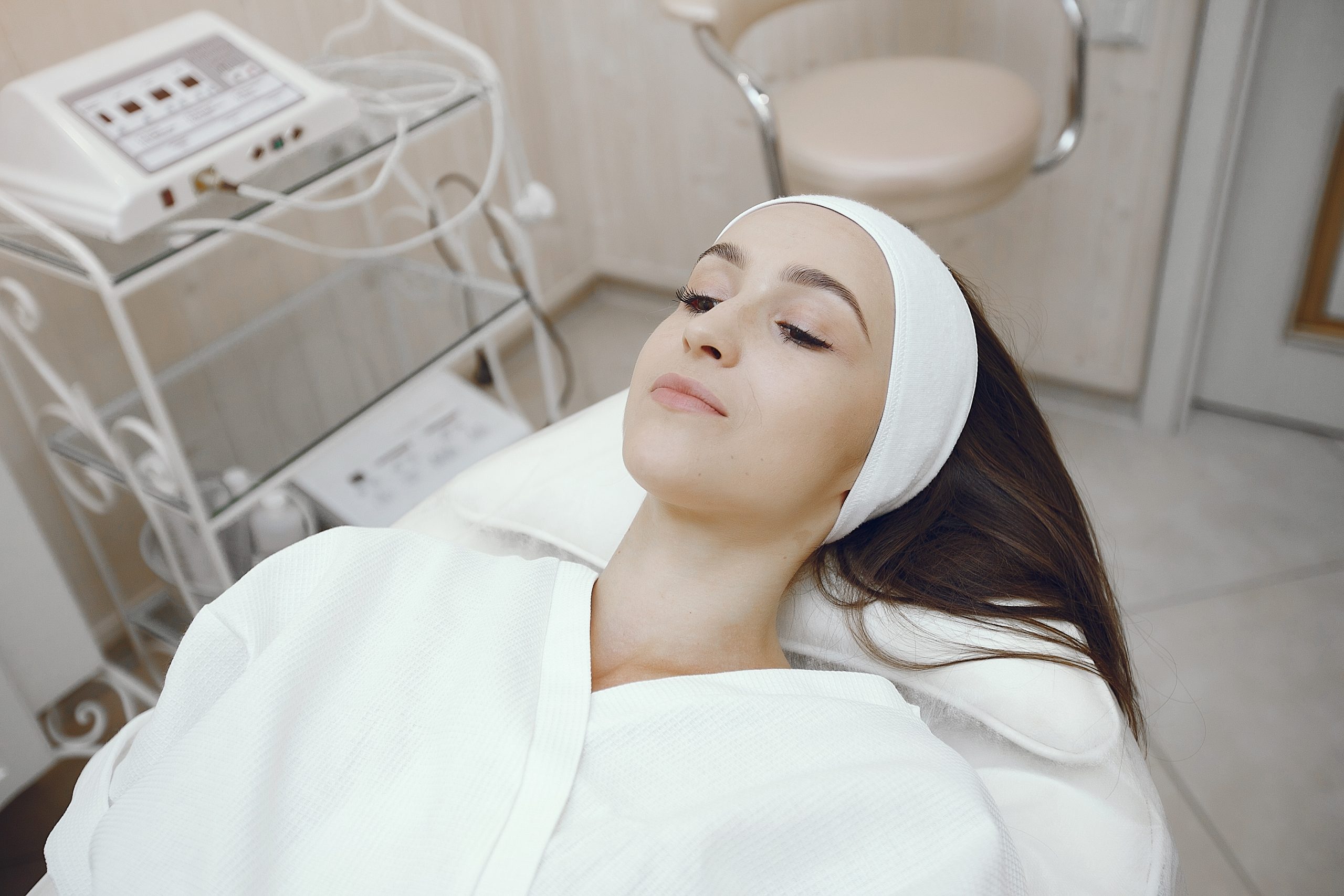
XERF skin tightening is a modern non-surgical treatment designed to improve skin firmness, elasticity, and overall contour by stimulating collagen production in the deeper layers of the skin. Like many energy-based technologies, it is often compared with other popular non-invasive skin tightening options such as radiofrequency (RF), ultrasound-based devices, and laser skin tightening systems. Each treatment works differently, and the best choice depends on skin condition, aging level, and desired results. At Treat Medspa,
XERF is used as a structured collagen-stimulating option designed to deliver consistent tightening with a focus on gradual, natural-looking improvement.
XERF works by delivering controlled energy into targeted layers of the skin, creating a thermal response that stimulates fibroblasts. These fibroblasts are responsible for producing collagen and elastin, which are essential proteins that maintain skin firmness and structure.As new collagen develops, the skin gradually becomes tighter, smoother, and more lifted. The process is not immediate but evolves over several weeks as the skin naturally rebuilds its internal support system.At Treat Medspa, our team uses XERF as part of a customized skin rejuvenation approach designed to improve mild to moderate skin laxity without surgery.
Radiofrequency treatments are one of the most common non-surgical skin tightening options. They also work by using heat energy to stimulate collagen production.However, traditional RF devices may vary in how deeply and evenly they deliver energy into the skin. This can sometimes lead to less consistent tightening results.XERF, on the other hand, is designed to deliver more controlled and uniform energy distribution, which can enhance collagen remodeling more effectively in targeted areas.Both treatments improve skin firmness, but XERF is often preferred for patients seeking more structured and predictable tightening outcomes.
Ultrasound-based treatments, such as those used for lifting and tightening, work by delivering focused sound energy deep into the skin and sometimes even into superficial muscle layers.This deeper penetration can create lifting effects, especially in areas like the jawline and cheeks.
XERF primarily focuses on controlled thermal stimulation within the dermal layers, making it more centered on collagen remodeling and skin quality improvement rather than deeper structural lifting.Ultrasound treatments may be better suited for more pronounced lifting needs, while XERF is often chosen for overall skin tightening and refinement.
Laser-based skin tightening treatments use light energy to heat the skin and stimulate collagen production. Some lasers also resurface the skin while tightening it.XERF differs in that it focuses primarily on controlled thermal energy delivery without necessarily resurfacing the skin. This makes it more comfortable for patients who want tightening without visible peeling or downtime.Laser treatments may be more aggressive depending on settings, while XERF is positioned as a balanced option for gradual improvement with minimal disruption.At Treat Medspa, our team often recommends XERF for patients who want tightening benefits without resurfacing effects.
All non-surgical skin tightening treatments work gradually by stimulating collagen, but the timeline and intensity of results vary.XERF typically produces progressive tightening over several weeks, with continued improvement as collagen matures.RF treatments also offer gradual improvement but may require more sessions for similar results depending on the device.Ultrasound treatments may show lifting effects sooner in certain areas but are more focused on deeper structural changes.Laser treatments vary widely depending on intensity and type, with some offering both resurfacing and tightening but potentially requiring more recovery time.
One of the key
advantages of XERF is its comfortable treatment experience. Patients usually feel a controlled warming sensation during the procedure, but it does not typically involve significant discomfort.Radiofrequency treatments are also generally comfortable, though sensation may vary depending on device strength.Ultrasound-based treatments can sometimes feel more intense due to deeper energy delivery.Laser tightening treatments may involve mild redness or sensitivity afterward depending on intensity, while XERF is generally associated with minimal downtime.
The best skin tightening treatment depends on several factors, including skin laxity, age, treatment goals, and recovery preferences.XERF is often recommended for patients with mild to moderate skin laxity who want gradual, natural-looking tightening.Radiofrequency treatments are widely used for early prevention and maintenance.Ultrasound treatments are typically chosen for more noticeable lifting needs.Laser treatments are selected based on whether resurfacing is also desired.At
Treat Medspa, our team evaluates each patient individually to determine which technology or combination approach will deliver the most effective results.
XERF stands out among non-surgical skin tightening treatments for its controlled energy delivery, comfort, and consistent collagen stimulation. While radiofrequency, ultrasound, and laser technologies each have their own strengths, XERF offers a balanced approach focused on gradual tightening and skin quality improvement without significant downtime. At Treat Medspa, XERF is positioned as a modern, versatile option for patients seeking natural-looking skin tightening results that develop progressively and integrate well into long-term skin maintenance plans.